
Care Costs & Funding
Understanding the Cost of Care
No surprises, and no pressure
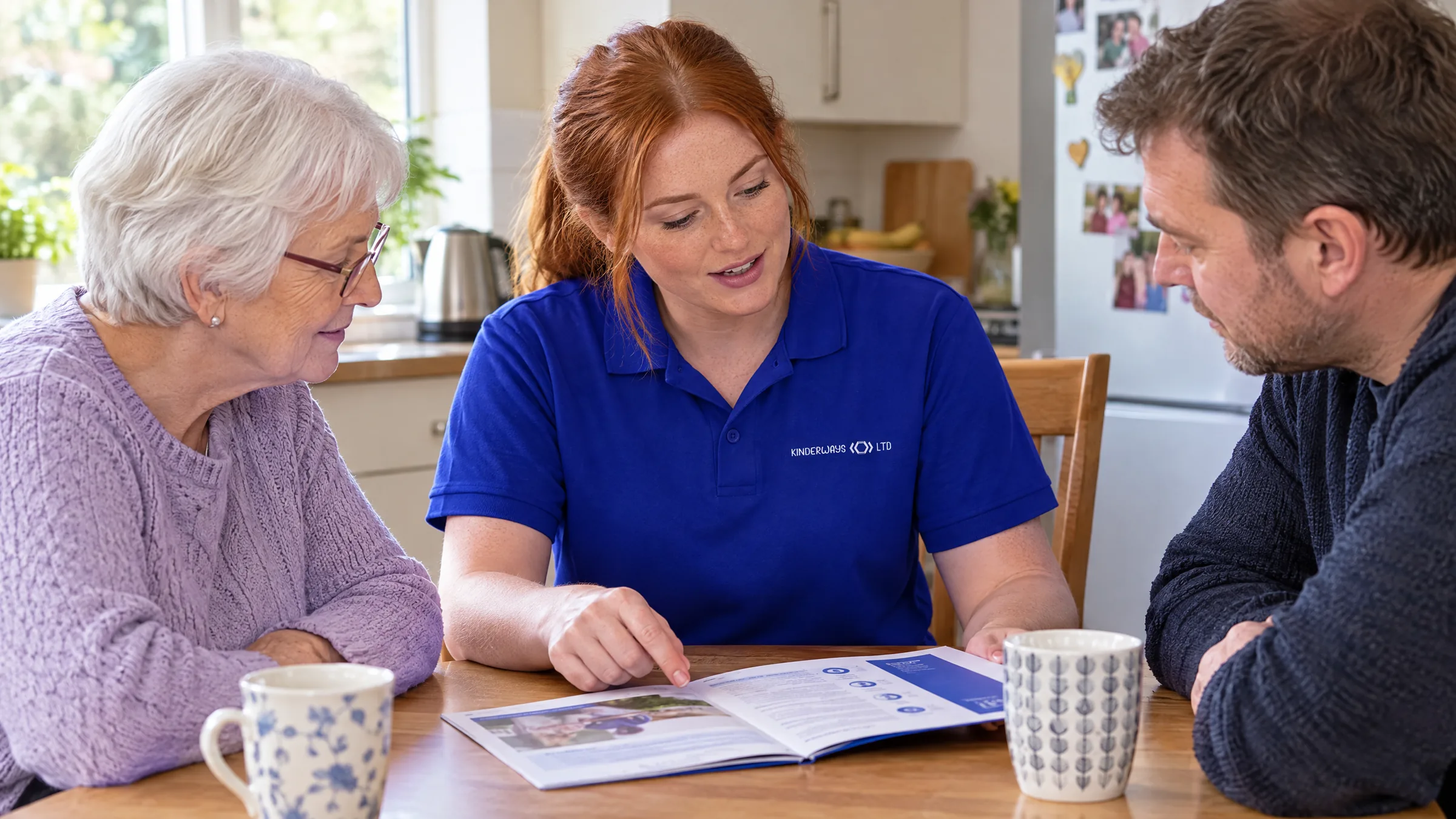
What care costs depends on the support someone needs, how often it is needed and who is paying for it. This page explains how pricing works and which funding routes exist, so you know what questions to ask before you commit to anything.
- Costs explained before care begins
- No obligation
- We say what we do not know
What the cost depends on
There is no single price for home care, because no two care plans are the same. These are the things that move the figure.
How long each visit lasts
A thirty-minute call and a one-hour call are priced differently, and some support cannot be delivered safely in a short visit.
How often support is needed
A few visits a week costs differently from four calls a day, and from a carer living in the home.
What the support involves
Support that needs additional training or competency is priced differently from companionship or help around the house.
When it happens
Nights, weekends and bank holidays are usually charged at a different rate from weekday daytime visits.
Whether it is visiting or live-in
Live-in care is charged weekly rather than hourly, and there are practical requirements such as a room for the carer.
Where the person lives
Travel between visits is a real cost in rural areas, and it affects what a team can sustainably deliver.
Our rates
Care costs depend on the type of support required, the number and length of visits, staffing requirements, complexity of care and whether specialist or clinical support is required. Following an initial conversation and assessment, Kinderways will provide clear information about the proposed service and applicable charges before care begins.
The cost of a care package is confirmed in writing after an assessment, before care begins.
How care can be paid for
Care may be privately funded, or funded or commissioned through relevant NHS or local authority arrangements where applicable. Which routes apply to a particular person depends on their needs and their circumstances.
Paying privately
You arrange care directly with us and pay for it yourself. You choose the support, and you can change it as needs change.
Decided by: You
Local authority funding
Your council assesses the person's needs and their finances, and may fund some or all of the cost of care.
Decided by: Your local council
Direct payments
Where a council has agreed to fund care, the money can be paid to the person so they can arrange their own support.
Decided by: Your local council
NHS Continuing Healthcare
Where someone has a primary health need, the NHS may fund the full cost of their care. Eligibility is decided through an assessment process.
Decided by: Your local NHS body
Personal health budgets
Where NHS funding has been agreed, a personal health budget can give the person more say in how that money is used.
Decided by: Your local NHS body
Jointly funded packages
Some packages are funded partly by the NHS and partly by the council, where both have a responsibility.
Decided by: The NHS and your council together
Eligibility for public funding is decided by the relevant NHS body or local authority, not by Kinderways. We can tell you which route may be worth asking about, and we can work with a funded package once it is agreed, but we cannot decide whether someone qualifies.
Getting a personalised quote
A written quote follows an assessment, because until someone has talked through what is actually needed, any figure is guesswork.
Tell us what is needed
A short conversation about the support you are looking for.
We assess
An assessment identifies what support can be provided safely, and how often.
You get it in writing
The cost of the package is confirmed in writing before care begins.
Request a personalised care quote
Tell us what support you are looking for and we will talk through the cost, the funding routes worth asking about, and what happens next.
Prefer to talk it through?
- Exeter & East Devon07305 503567
- Spalding & Lincolnshire01775 580000